Conflicts of Interest
What is a Conflict of interest?
ASIC defines a conflict of interest as a situation where any or all of a customer’s interests are inconsistent with or different to any or all of your organisation’s interests. When conflicts arise, they must be managed effectively. By upholding ASIC’s conflicts of interest obligation, workplaces are helping to protect customers and consumers and maintain the integrity of and confidence in the financial markets.
Conflicts of interest can arise in numerous circumstances, including dealings with internal and external stakeholders, offering services to wholesale and retail clients, and providing general or personal advice.
You may also like our comprehensive course Managing conflicts of interest RG181
Regulatory compliance and conduct learning
Our General Corporate Compliance modules are designed for enterprise wide training, offering bite-sized modules (30-45 minutes), the perfect study duration, balancing convenience with learning. Contextualised specifically for Financial Services.
About our Conflicts of interest module
Our Conflicts of Interest module is part of our regulatory compliance and conduct learning. Contextualised for Financial Services and whole of organisation training.
In this module, you’ll learn what conflicts of interest are and how organisations can manage them.
The relevant laws are:
- Section 912A(1)(aa) of the Corporations Act for Australian Financial Services licensees
- Section 47(1)(b) of the National Credit Act for Australian Credit licensees
The primary sources of regulatory guidance are:
- RG 181 Licensing: Managing conflicts of interest (ASIC)
- RG 205 Credit licensing: General conduct obligations (ASIC)
Depending on your organisation, other regulatory guides might apply:
Program Content
- What is a conflict of interest?
- Managing conflicts of interest
Learning Outcomes
- Name the types of conflicts of interest
- Know the importance of managing conflicts of interest
- Identify the different ways that conflicts of interest can be managed.
What you will learn
Who is this course for?
- Any financial representatives who must be trained to adhere to financial services-specific regulation and industry codes with respect to conduct.
Units of Competency

Pre-requisite
Recognition of Prior Learning
Certification
Frequently Asked Questions
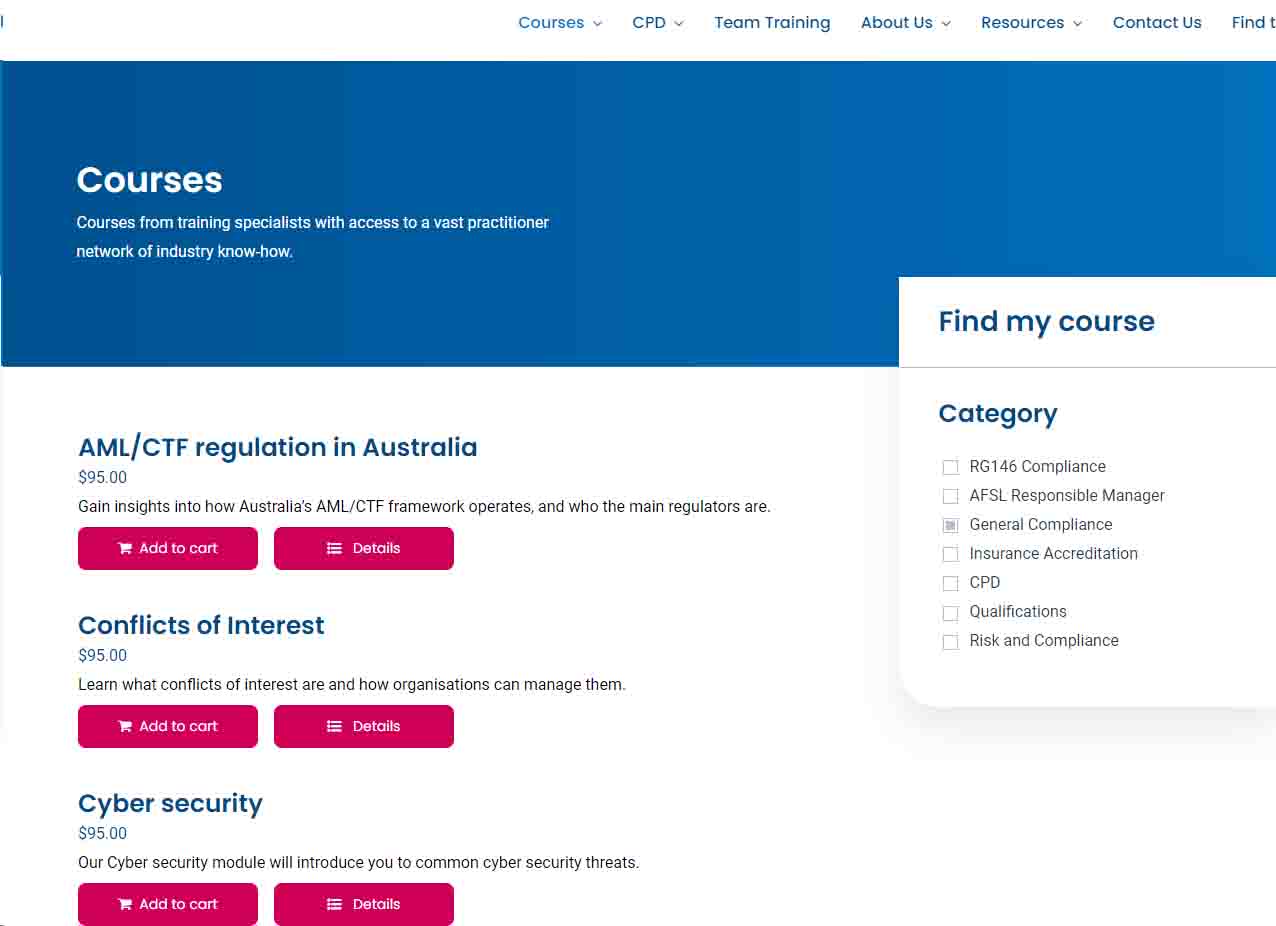
For direct purchase online: Three easy steps to get your team started.
- Visit our Shop Page and select General Compliance
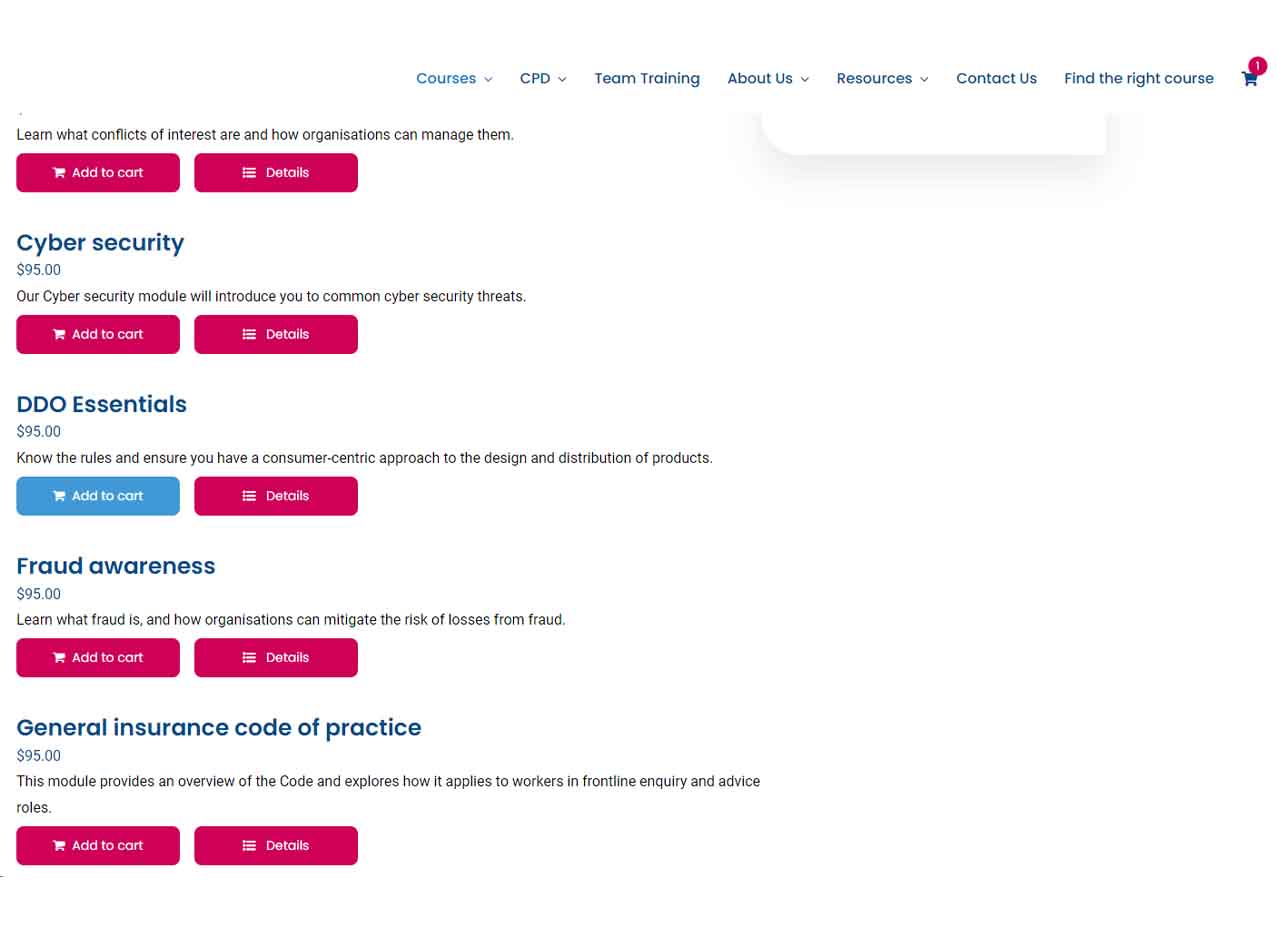
- Select your courses to meet you and your team's general obligations
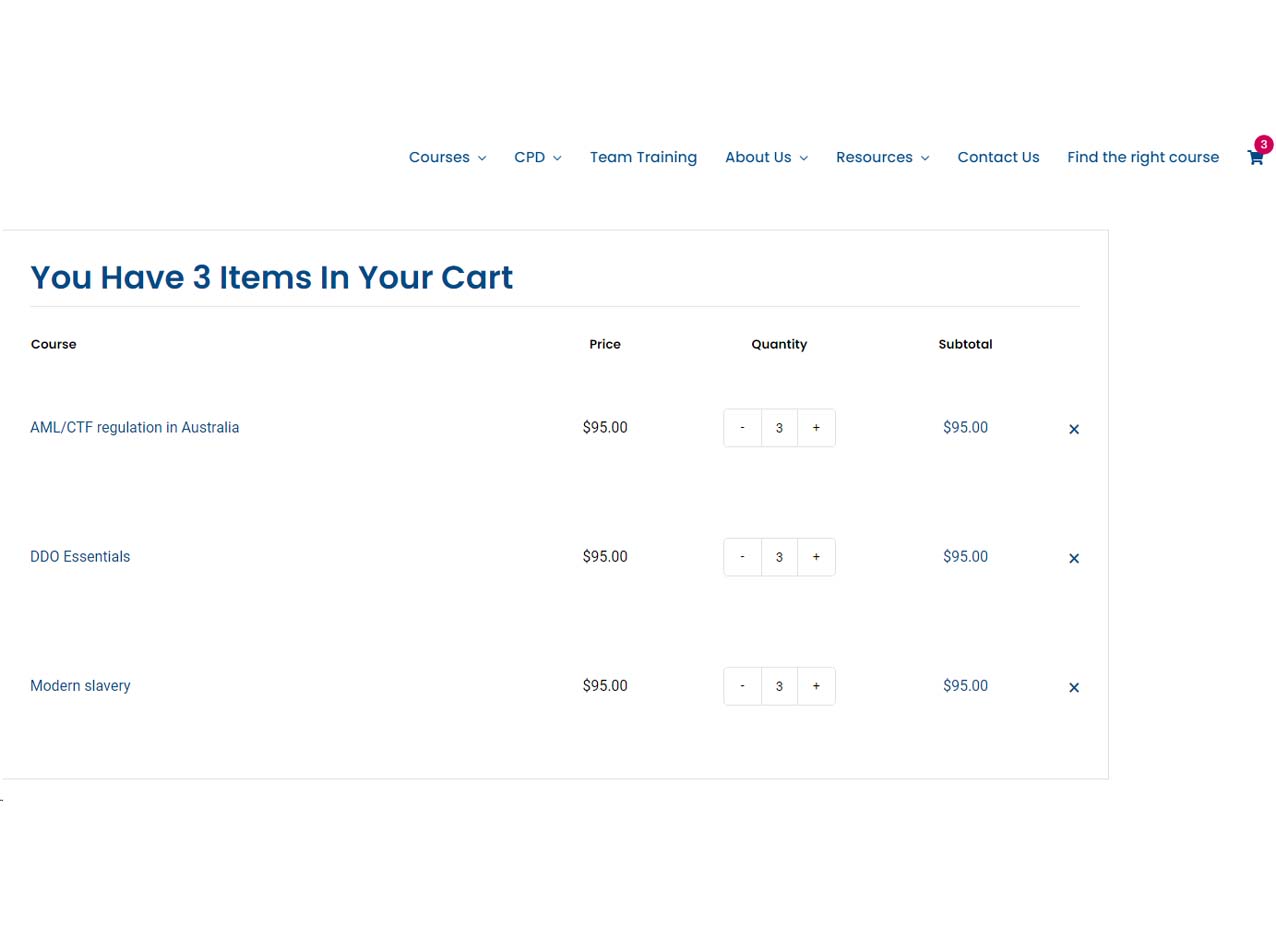
- Add the required number of courses to your cart