Cyber security
What is Cyber security?
Cyber attacks are increasing, and every business needs to take action to manage cyber security. While organisations implement risk management strategies, every individual plays a critical role in protecting business and customer information.
Cyber security is not just about systems and technology – it also depends on people, processes, and behaviours. Understanding the risks your organisation faces, and how your actions can either reduce or increase those risks, is essential.
Did you know? A cybercrime is reported in Australia roughly every 6 minutes, highlighting the scale and persistence of cyber threats.
Regulatory compliance and conduct learning
Our General Corporate Compliance modules are designed for enterprise-wide training, offering bite-sized modules (30-45 minutes). They balance convenience with effective learning and are contextualised specifically for Financial Services.
About our cyber security module
This online module introduces common cyber security threats and provides practical guidance on how to protect your organisation and customers from cyber incidents.
You will explore how cyber attacks occur, the role individuals play in maintaining cyber security, and how to identify and respond to key risks such as phishing and malware.
The module also outlines the broader legislative environment, including:
- The Security of Critical Infrastructure Act 2018 (Cth) was amended in 2021 to require critical industries, including financial services, to report of cyber security incidents to the government.
- The Privacy Act (1988) (Cth) asks business to only collect and store information that is necessary for the business relationship.
- The Cybercrime Act 2001 (Cth) defines specific computer offences relating to cyber crime.
- The Spam Act 2003 (Cth), which prohibits the sending of unsolicited commercial email and electronic messages.
- The Telecommunications (Interception & Access) Act 1979 (Cth) makes it an offence for a person to access or intercept a private telecommunication.
Program Content
- Understanding cyber security threats and their impact on organisations
- Practical steps individuals can take to strengthen cyber security
- Identifying and responding to phishing emails and scams
- Recognising and responding to malware and suspicious device behaviour
Learning Outcomes
- Define cyber security and explain key risks for financial services organisations
- Describe government and regulatory expectations for managing cyber risk
- Identify practical actions you and your organisation can take to protect systems and data
- Recognise and respond to phishing emails and malware threats
What you will learn
Who is this course for?
- This course is designed for financial services professionals who need to understand and comply with regulatory obligations and industry standards relating to cyber security and conduct.
Units of Competency

Pre-requisite
Recognition of Prior Learning
Certification
Frequently Asked Questions
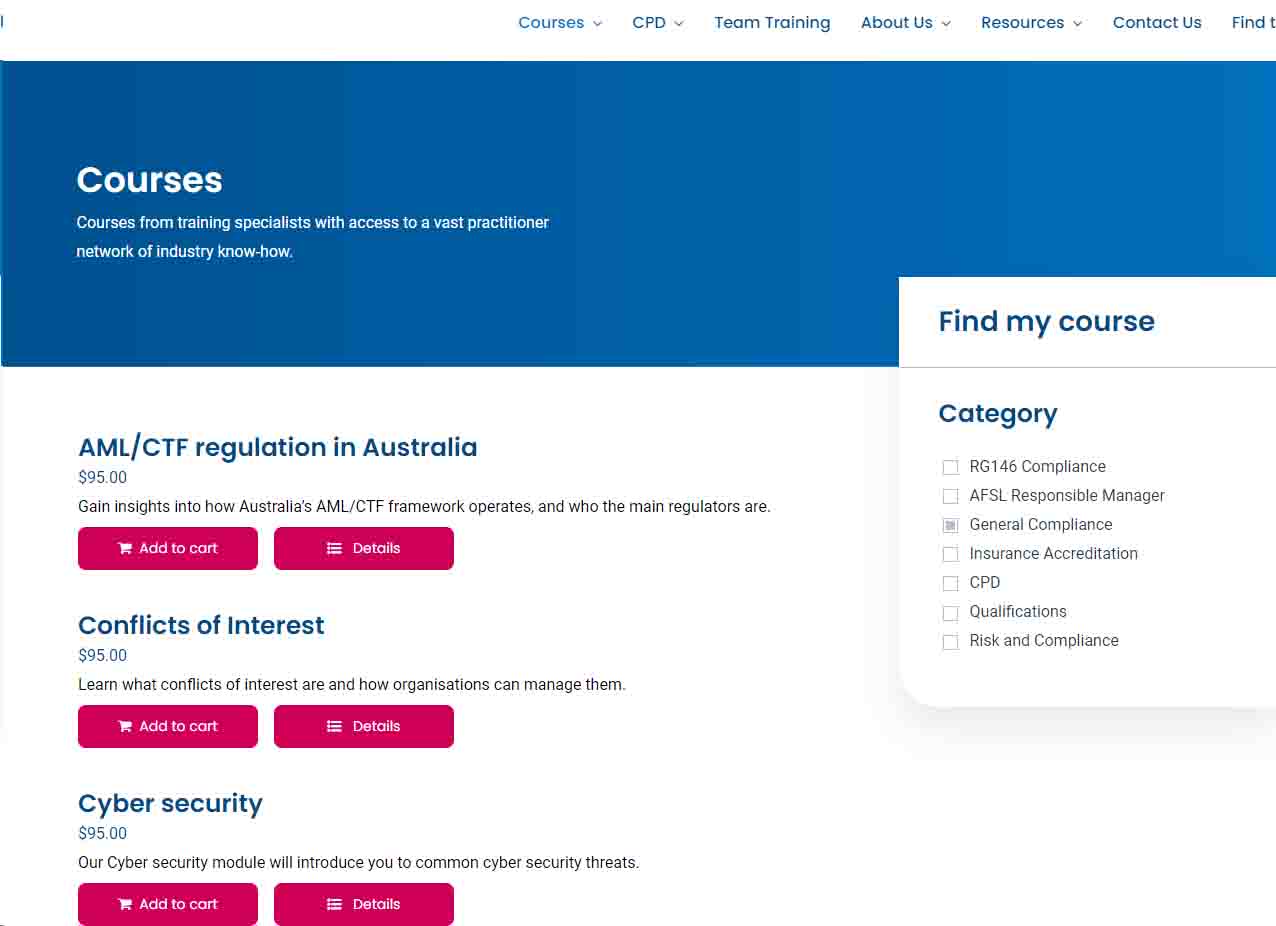
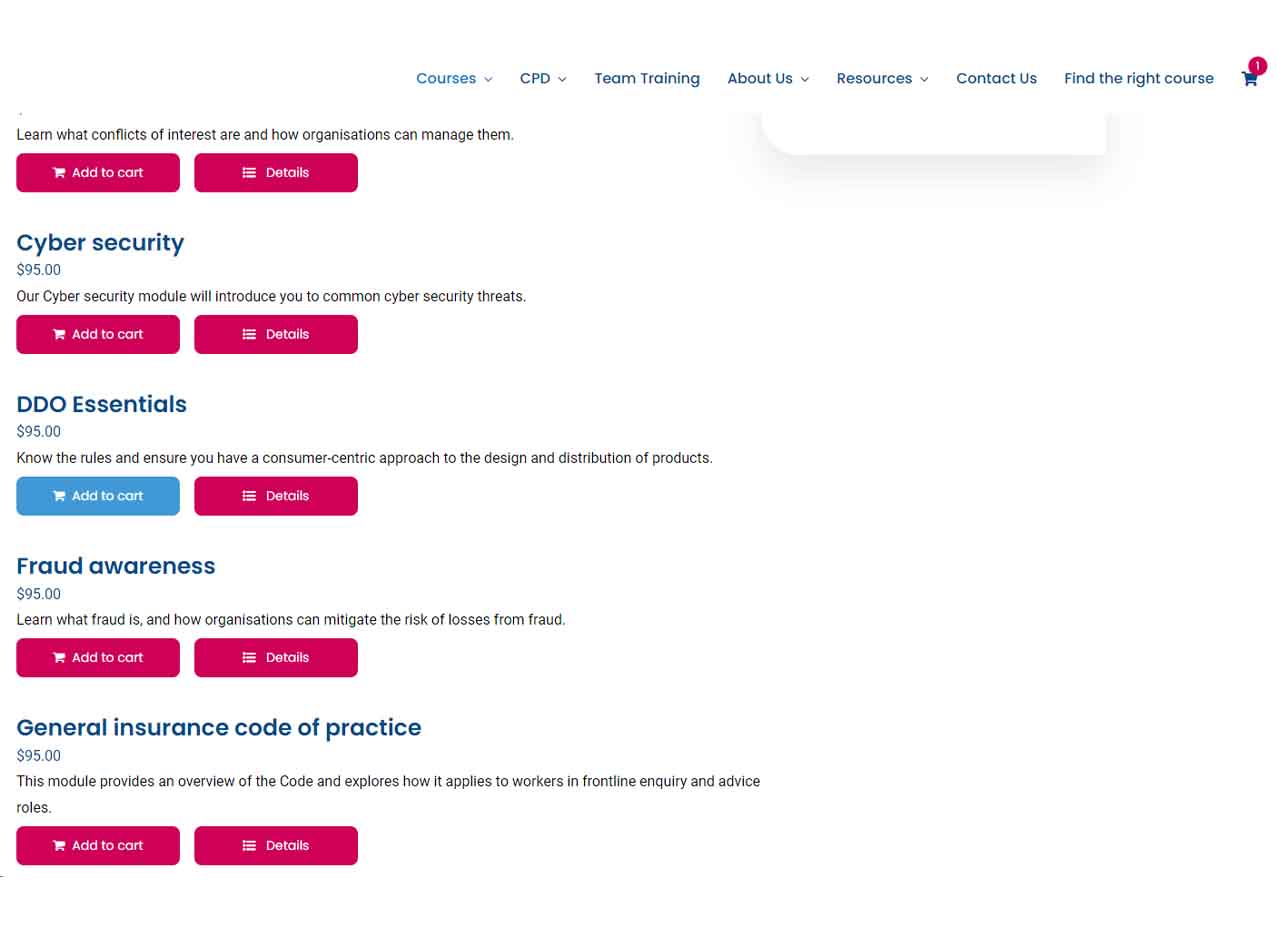
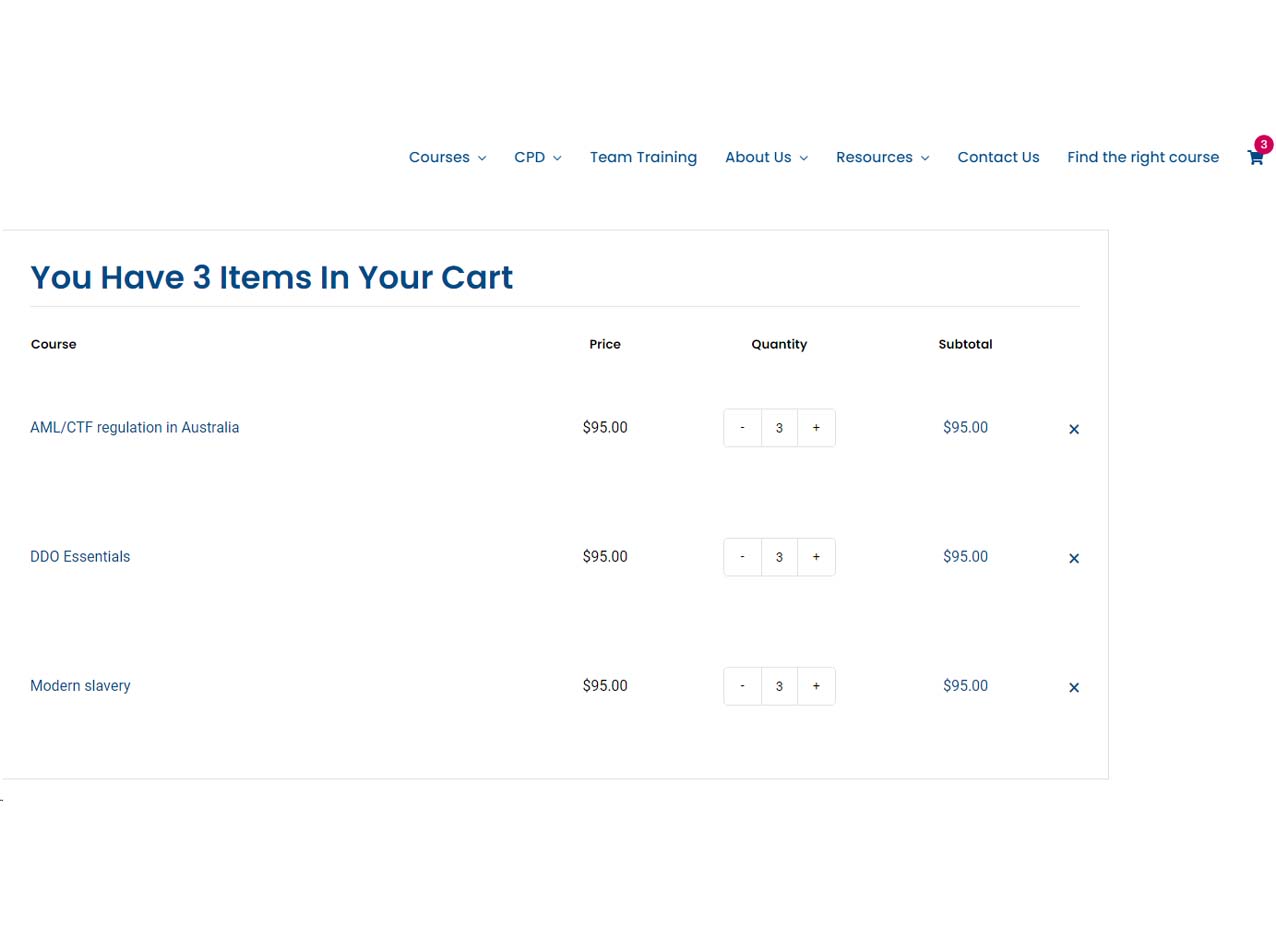
For direct purchase online: Three easy steps to get your team started.
- Visit our Shop Page and select General Compliance
- Select your courses to meet you and your team's general obligations
- Add the required number of courses to your cart
Related Courses
-

Handling complaints and disputes (Polar993)
Learn More -
DDO Essentials (Polar993)
Learn More -
AML/CTF regulation in Australia (Polar993)
Learn More -

Protecting whistleblowers
Learn More -
Supporting vulnerable customers in consumer credit
Learn More -
Supporting vulnerable customers in insurance
Learn More